What You Can Put

Know what you can and cannot put in skip bin

Selecting the correct skip bin not only saves money for you, but also ensures you follow all the Australia’s disposal regulations. While you can put most of the general waste in the skip bins, you must avoid putting hazardous materials into them. Our guide clearly specifies the kind of waste you can and cannot put into the skip bins. With the help of this guide, you can also determine which skip bin will be best suitable for your requirements.

Boost Your Green Credentials

Align your business with the NT's vision for a sustainable future

arrow btn
General Waste

General Waste

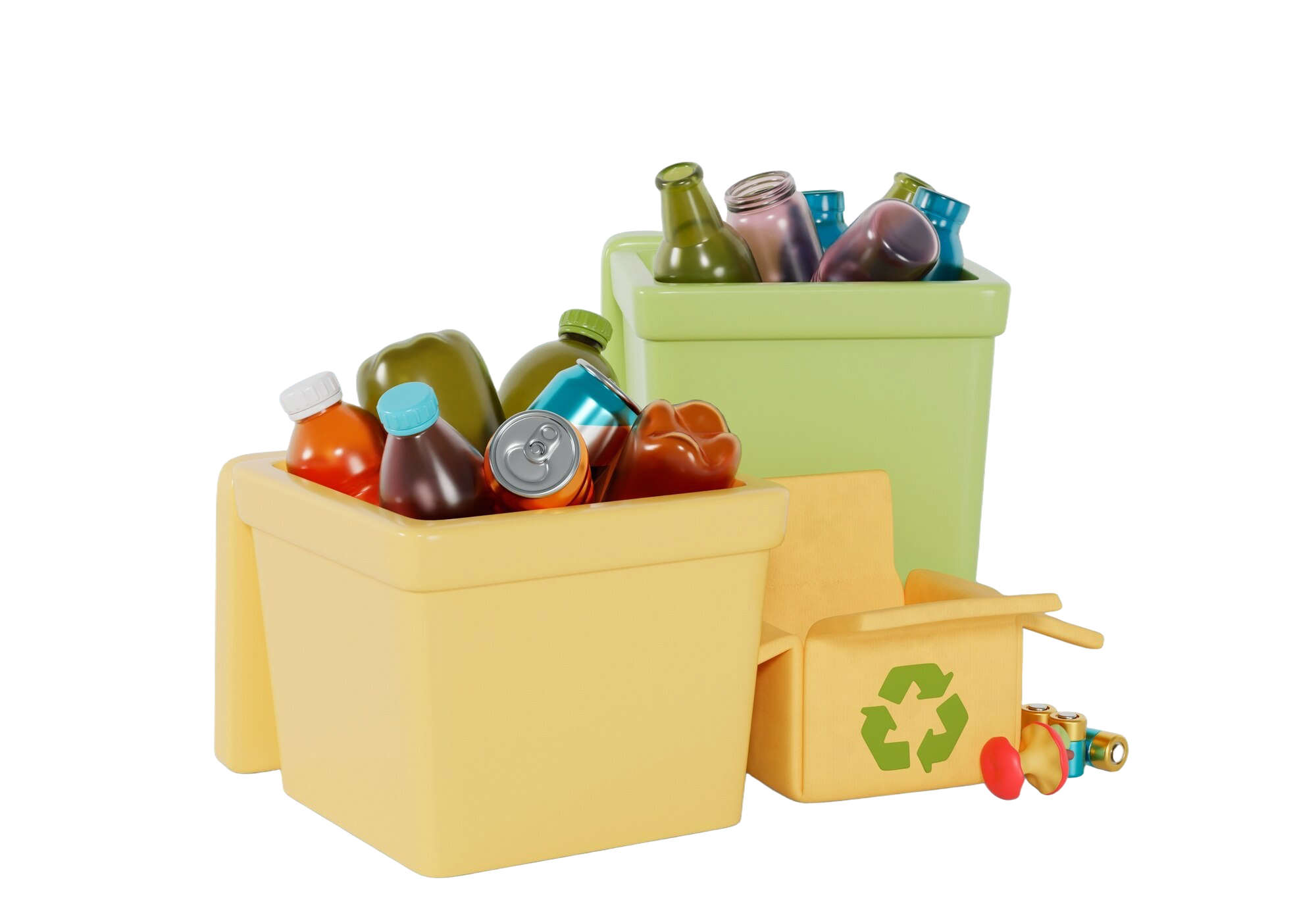
A general bin means a non-recyclable, harmless household or commercial waste that cannot be treated through standard recycling streams.
What you put in:
    • Light domestic waste
    • Light construction waste
    • Office Waste
    • Other general non-hazardous wast
What you can’t put in:
    • Hazardous waste like asbestos
    • Liquid waste
    • Cleanfill or hardfill
    • Food waste
arrow btn
Green Waste

Green Waste

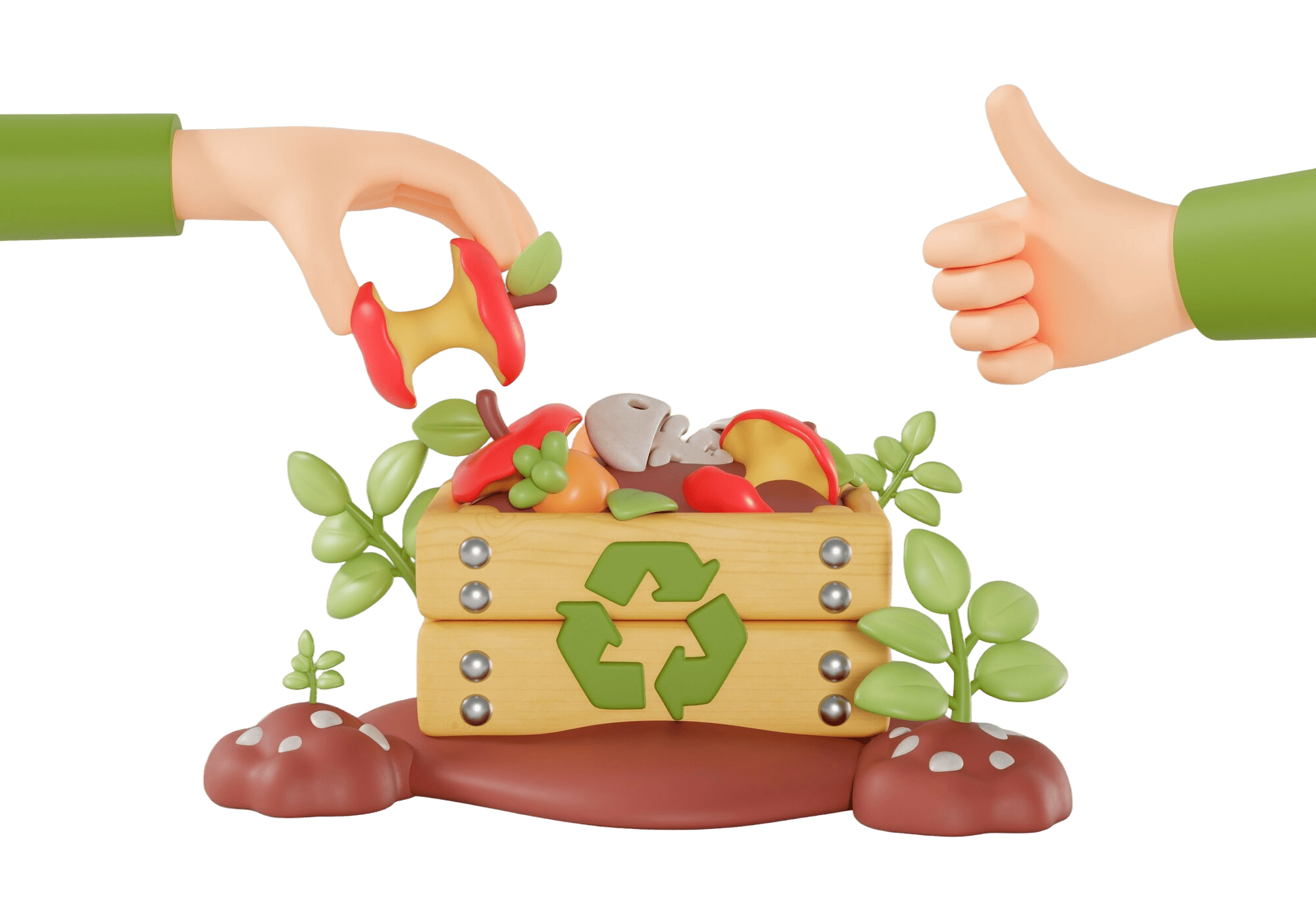
It is a biodegradable organic refuse produced from gardens, parks and kitchens that can be decomposed into compost.
What you put in:
    • Grass
    • Leaves Waste
    • Tree trimmings
    • Small branches
    • Weed
    • Bark
What you can’t put in:
    • Hazardous waste like asbestos
    • Liquid waste
    • General waste
    • Cleanfill or hardfill
    • Food waste
    • Soil
    • Cabbage trees, bamboo, or flax
    • Tree trunks or stumps
arrow btn
Mixed waste

Mixed waste

Mixed waste can refer to unsorted municipal waste or to waste containing chemically hazardous and radioactive substances that is regulated under very strict rules.
What you put in:
    • Timber
    • Bricks, Tiles, Concrete
    • Green Waste
    • House Waste
    • Builders Waste
    • Metal
    • Furniture and Appliances
What you can’t put in:
    • Hazardous waste like asbestos
    • Liquid Waste
    • Food Waste
    • Soil, Clay, or Dirt
arrow btn
Soil & Dirt

Soil & Dirt

Excess soil and dirt act as clean fill or may require designated dumpsite disposal to prevent soil pollution.
What you put in:
    • Soil
    • Dirt
What you can’t put in:
    • General Waste
    • Garden Waste
    • Cleanfill
    • Turf or Containment
    • Liquid Waste
    • Food Waste
arrow btn
Clean & Hardfill

Clean & Hardfill

Clean and hardfill waste refers to clean, non-degradable, and heavy materials, primarily generated from excavation and construction activities.

What you put in:
    • Bricks
    • Pavers
    • Dirt​
    • Sand
    • Concrete
    • Floor & Roof Tiles​
    • Soils​
    • Clay​
    • Gravel​
What you can’t put in:
    • Green Waste or Builders Waste​​
    • Food Waste
    • Asbestos
    • Household Waste
    • Chemicals
    • Paint
    • Liquids
Facts

Waste Production in Australia

Australia generates over 75 million tonnes of solid waste annually—roughly 2.88 tonnes per capita—with a 58% recycling rate, yet relies heavily on landfills. Key waste streams include construction and demolition 44%, organics 19% and hazardous materials.
bins cup
See Your Waste Impact

Discover the Benefits of Smarter Waste Disposal

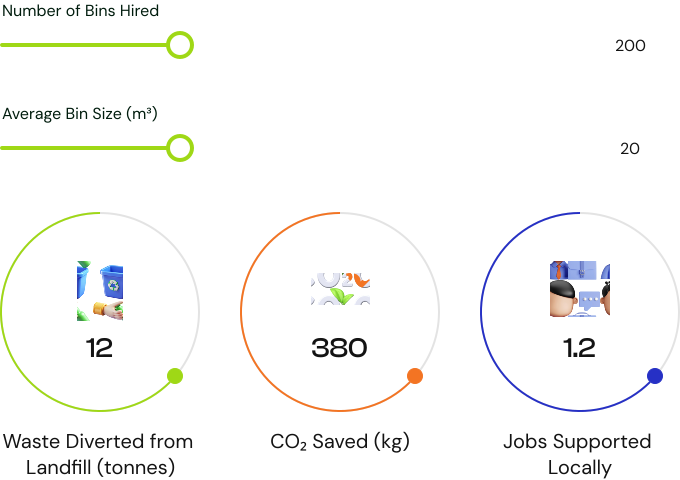
Hiring a skip bin through Bins Buddy doesn’t just make cleanup easy it helps protect the planet. See how your bin hire reduces landfill waste and supports local recycling.
calculator
bin container

Make a Cleaner Australia, Hire a Skip Bin

A cleaner Australia starts with a tidy home or site. Let us handle the waste logistics so you can contribute to a greener tomorrow, effortlessly.
bin container